by Admin | Feb 1, 2026 | Blog
 Gold & Silver in the Global Economy: History, Crashes, Power Politics, and 2026 Price Outlook
Introduction: Why Gold and Silver Still Matter in a Changing World
Gold and silver are not just metals; they are economic signals. For thousands of years, civilizations have trusted these two assets as stores of value during uncertainty. Even in today’s digital world—dominated by fiat currencies, stock markets, and cryptocurrencies—gold and silver continue to play a critical role in how governments, central banks, investors, and industries protect wealth and manage risk.
However, many people misunderstand precious metals. They assume gold and silver only go up. History proves otherwise. These markets move in powerful cycles—long periods of accumulation, sharp rallies, brutal corrections, and then renewed strength. Understanding these cycles is essential, especially as the global economy enters a period of structural change.
This article explores:
- The historical crashes and rallies of gold and silver
- Why prices behave so violently
- How China and the United States strategically view precious metals
- How the global economy treats gold and silver today
- And most importantly, where gold and silver prices may head in 2026 and the months ahead
This is not hype, not fear-mongering, and not speculation without logic. This is a grounded, macro-economic, human-based analysis.
A Brief History of Gold and Silver Price Cycles
Silver 1980: The First Modern Wake-Up Call
In the late 1970s, inflation in the United States was spiraling out of control. Trust in paper currency was collapsing. During this chaos, silver
prices surge
d dramatically, driven by speculation and aggressive buying.
By early 1980, silver touched levels that shocked the world. But the rally was artificial. A small group of powerful investors attempted to dominate the market. When regulators changed trading rules and liquidity dried up, silver collapsed brutally—losing nearly 90% of its value in a short period.
Lesson:
Silver is extremely sensitive to speculation and leverage. When confidence disappears, prices fall much faster than they rise.
Gold and Silver 2011: Fear Peaks, Then Fades
The 2008 global financial crisis pushed gold and silver into another historic rally. Investors feared the collapse of banks, currencies, and governments. Gold reached record highs, and silver followed aggressively.
But by 2011–2012, panic began to fade. Central banks stabilized markets. Interest rates were controlled. Capital slowly returned to equities. As fear declined, precious metals entered a long correction phase.
Silver lost more than two-thirds of its value. Gold corrected heavily as well.
Lesson:
Gold and silver thrive on uncertainty—but they struggle when confidence returns to financial systems.
Why Gold and Silver Are Different Assets
Gold: Monetary Metal First, Commodity Second
Gold is primarily a monetary asset. Central banks hold it. Governments measure confidence in currencies against it. During inflation, currency debasement, or geopolitical conflict, gold acts as insurance.
Gold does not rely heavily on industrial demand. Its value comes from trust—or the loss of trust—in paper money.
Silver: Hybrid Metal with Extreme Volatility
Silver is different. It is both:
- A monetary metal
- And a critical industrial metal
Silver is used in electronics, solar panels, medical devices, electric vehicles, and advanced technologies. This dual role makes silver far more volatile than gold.
When economic growth is strong, silver benefits from industrial demand.
When fear dominates markets, silver rises with gold—but often faster.
When conditions reverse, silver falls harder.
The Global Economy Today: A System Under Stress
The global economy is no longer stable in the way it once was. Several long-term pressures are reshaping financial markets:
1. Record Global Debt
Governments around the world are carrying unprecedented levels of debt. Servicing this debt without inflation is becoming increasingly difficult.
2. Persistent Inflation Risk
Even when inflation slows, the underlying causes—energy costs, supply chain restructuring, and geopolitical tensions—remain unresolved.
3. Geopolitical Fragmentation
The world is shifting from globalization toward regional power blocs. Trade wars, sanctions, and currency competition are becoming normal.
In such an environment, gold and silver regain importance—not as speculative tools, but as financial anchors.
How the World Views Gold and Silver Today
Central Banks and Gold
Central banks—especially in Asia and emerging markets—are increasing gold reserves. This is not accidental. It reflects a desire to reduce dependence on the US dollar and protect national balance sheets from currency risk.
Gold is increasingly viewed as:
- A neutral reserve asset
- A hedge against currency weaponization
- A long-term store of sovereign value
Industrial Nations and Silver
Silver is now strategically important for energy transition goals. Solar power, electric mobility, and high-tech manufacturing all require silver.
Governments may not openly talk about silver reserves—but industrial policy reveals its importance.
Silver is no longer “just a metal.” It is infrastructure.
China’s
Strategy: Quiet Accumulation and Industrial Control
China does not broadcast its intentions—but its actions are clear.
1. Physical De
mand Focus
China consistently absorbs large amounts of physical gold and silver. Unlike Western markets, which focus on paper contracts, China emphasizes physical ownership.
2. Industrial Priority
Silver is critical for China’s solar and technology sectors. Controlling supply ensures long-term cost stability for domestic industries.
3. Strategic Patience
China does not chase short-term price spikes. It accumulates during weakness. This behavior supports long-term price floors.
China sees precious metals not as trading assets—but as strategic resources.
The United States’ Perspective: Dollar First, Metals Second
The US views gold and silver differently.
Dollar Dominance
The strength of the US dollar is central to American economic power. Gold rallies often signal weakening confidence in the dollar—something policymakers prefer to avoid.
Interest Rate Policy
When rates rise, gold and silver often face pressure. When rates fall or debt concerns rise, metals regain strength.
The US does not oppose gold, but it does not want gold to overshadow the dollar.
Paper Markets vs Physical Reality
One of the biggest misunderstandings about precious metals is price discovery.
Most global prices are determined in paper markets—futures, options, and derivatives. Physical demand often tells a different story.
When physical supply tightens while paper prices fall, it creates long-term imbalances. Historically, such imbalances eventually resolve through higher prices.
2026 Price Outlook: Gold and Silver Scenarios
Now the most important question: What happens next?
Gold Price Outlook (2026 and Coming Months)
Base Scenario:
Gold remains strong, holding above previous long-term averages. Central bank demand, geopolitical uncertainty, and debt concerns provide support.
Bullish Scenario:
If inflation resurfaces or geopolitical risks escalate, gold could push significantly higher as confidence in currencies weakens.
Bearish Scenario:
If interest rates stay high and global growth stabilizes, gold may consolidate or correct—but structural support remains strong.
Key Insight:
Gold is unlikely to return to old lows. The world has changed.
Silver Price Outlook (2026 and Coming Months)
Silver is more complex—and more explosive.
Base Scenario:
Industrial demand continues to grow steadily. Prices remain volatile but trend upward over time.
Bullish Scenario:
If investment demand joins industrial demand, silver could outperform gold dramatically. Historically, silver moves late—but violently.
Bearish Scenario:
Short-term corrections are possible, especially during strong dollar phases. But long-term downside appears limited due to supply constraints.
Key Insight:
Silver is high-risk, high-reward. It punishes emotional decisions—but rewards patience.
How Investors and Businesses Should Think
Gold and silver should not be viewed as “get-rich-quick” assets.
They are:
- Risk management tools
- Inflation hedges
- Long-term strategic holdings
For businesses—especially in jewelry and manufacturing—understanding cycles is critical for cost control and pricing strategy.
For investors, allocation and timing matter more than predictions.
A New Era for Precious Metals
As global markets continue to evolve, staying connected with real-time data and credible industry insights becomes more important than ever. Monitoring live price movements helps investors, traders, and jewelry professionals make informed decisions in a highly volatile environment. You can track real-time gold market activity through our Live Gold Trade page, which provides updated pricing and market direction. For deeper professional insights, industry analysis, and precious metals discussions, connect directly with Haroon Ahmed on LinkedIn and stay updated with expert perspectives on gold, silver, and the global precious metals economy.
Gold price forecast for 2026 is influenced by global inflation, central bank demand, US dollar strength, and geopolitical risks. Analysts expect continued volatility with a long-term bullish bias.
Silver price prediction for 2026 depends on industrial demand, supply deficits, and investment inflows. Silver is expected to remain more volatile than gold with higher upside potential.
Gold is considered a strong investment in 2026 due to rising global debt, inflation concerns, and its role as a safe-haven asset during economic uncertainty.
Silver can outperform gold in bullish markets due to its industrial demand, but it also carries higher risk. Gold offers stability, while silver offers higher growth potential.
Gold prices rise during economic instability, inflation, or currency weakness, and tend to consolidate when interest rates rise or economic confidence improves.
Silver is more volatile because it is both a precious metal and an industrial metal, making its price sensitive to economic growth and manufacturing demand.
China influences gold and silver prices through physical demand, central bank gold accumulation, industrial consumption, and control over refining and supply chains.
Gold and silver prices generally move inversely to the US dollar. A weaker dollar supports higher metal prices, while a stronger dollar puts pressure on prices.
Gold and silver are commonly used as inflation hedges because they preserve purchasing power when fiat currencies lose value.
Key risks include rising interest rates, strong US dollar, reduced safe-haven demand, and short-term market volatility driven by speculation.

by Admin | Nov 6, 2025 | Blog, jewelry tips, Men’s jewelry
Men’s Wedding Bands That Actually Mean Something
By Haroon Goldsmith
November 1, 2025

💍 Meaningful Men’s Wedding Bands
From Rose Gold and Rustic to Titanium Strength. I’ll be honest – when I began searching for my wedding ring, I didn’t realize just how complicated the process could be. I thought it was just a ring. A shinny piece of jewelry that you slip on and, boom, you’re married. I was wrong! Selecting a men’s wedding band is, in my opinion, one of the most determining factors of the personality that you will be wearing every single day. Let’s be honest, most guys do not give much thought to jewelry, and I am probably going to be a little biased. A couple of watches and a bracelet when we are going out is fine, but when it comes to rings, and especially a wedding ring, all of a sudden it is a big deal. Even if it is something we are not used to, it is still fine.
🌹 Rose Gold
 The Unsung Champion So, the first ring that really got me captivated was a men’s rose gold wedding ring. At first, I thought, “Rose gold? Isn’t that a little too… pink?” But that feeling doesn’t last. It’s warm, subtle, and classy — a little like that guy who doesn’t say much but still manages to look confident. I think rose gold men’s wedding bands have a really nice, timeless, and modern feel. They are super versatile, whether you have a suit for work and switch to jeans for the weekend. And for 14k gold male wedding bands, the tone is rich but not over the top. It’s bold, but a quiet and confident bold, and honestly, I love that.
🌿 Rustic Vibes and Nature-Inspired Rings
 If you have a taste for the great outdoors, like hiking, or camping, you might enjoy rustic men’s wedding bands. The lack of perfection is what makes them charming. Some scratches, a brushed texture, a bit of wood or antler inlay and you have an authentic piece. I once saw a rustic wedding band for him, which had a hammered finish and a small turquoise stone set in it. It looked rugged in a beautiful way, like a piece an artist or cowboy would wear. And the best part is, the piece will also age beautifully. Every minute mark will add character in the same way your marriage will evolve over the years. Some people also choose nature-inspired wedding rings of which the most popular are leaf engraved and tree bark patterned designs. It might sound poetic but I assure you, it is quite masculine. The rings carry a silent message of strong roots and a natural connectivity with growth.
💬 The Meaning Behind Engraving:
 You have something to say about engraved men’s wedding bands. Engraving makes a ring one of a kind. It could be a date, a name, or a short customized phrase. It could be something only you two understand. A friend of mine engraved “Forever my favorite headache” inside his ring. I found it lovely. A bit of a headache maybe, but it was lovely. Men’s wedding bands feel complete with engravings. It’s a reminder that it isn’t a mere circle of metal. It’s a circle of a personal story. A 14ct wedding ring could be simpler like initials. It’s all about what gives the band soul.
⚙️ Titanium vs Tungsten
 The “Tough Guy” Debate Let’s be honest here — there comes a moment in every guy’s life when he wants to choose the toughest material there is. That’s where the conversation about titanium vs tungsten jewelry comes in. Titanium is lightweight, hypoallergenic, and very durable — a plus if you hate the sensation of feeling anything on your finger. Tungsten, however, has a heavier and more substantial weight — like it really means business. Personally, I think titanium wedding bands for men are perfect for those who like a modern, sleek, and comfortable design. But if you’re looking for that solid and heavy “I can handle anything” feel, then tungsten wins.
💎 Gemstones, Turquoise, and Something Different.
 Some guys want to keep it simple. Others? They want something that stands out a little. That’s where turquoise wedding bands, stone wedding rings, and men’s gemstone rings come into play. I once saw a turquoise wedding band for men that had this incredible pop of blue-green color — it reminded me of desert skies. And don’t even get me started on amethyst wedding bands. They have this royal energy, like you’re wearing something mysterious. If you like color, go for it. There’s no rule saying men’s rings have to be plain gold or silver. I mean, this is your ring — your story.
🖤 Black, Blue, and Everything In Between
 A bolder option is black, gold and blue men’s wedding bands. These are for men that want to be different, yet simple and elegant. There is something powerful about a black gold wedding band. It is sleek, a little mysterious and has a “James Bond” like quality. On the other hand, blue men’s wedding bands are calm and cool, a perfect match for those who want to keep it sophisticated rather than traditional. Add a black watch to a black tartan suit with those and you’ll look like a magazine cover.
💛 Yellow & Classic Gold
 The Timeless Choice*** You know, with all the new styles, there’s something about a yellow gold men’s wedding band that is hard to match. It’s that classic glow that says “forever” and a simple men’s band, especially in 14k gold, is like that old-school romance that never fades. it’s what your grandfather wore and it still looks just as good today. There’s a reason gold never goes out of style – it’s elegant, warm, and holds meaning.For those who appreciate the classic vintage appeal, a classic wedding ring design is the way to go. After all, no gimmicks, no chasing the latest trends, just pure, ageless affection.
🎸 Unique Ideas
 From Guitar Strings to Whimsical Designs Lastly, the fascinating bit. Ever heard of a guitar string ring? Some jewelers incorporate guitar strings into men’s wedding bands. It’s just right for musicians or those who want to have their passion literally wrapped around their finger. Or, there are the more quirky, whimsical engagement rings which are, unconventional to be nice, perhaps a bit artsy. Twisted bands, inventive shapes, and mixed metals all come to mind. They are rings that say, “Yeah, we’re not traditional — and that’s just fine.
💍 Non-Traditional
 Yet Still Significant The meaning of a wedding ring “should be” is changing in 2025. With a rise in non-traditional engagement rings, couples are moving away from the cookie cutter style and opting for more personal designs. A men’s wedding band does not need to be an exact match to your partner’s ring. It simply needs to be a reflection of you. Whether a band is rustic, rose gold, titanium, or has an engraving, it is all about what makes you feel a connection. After all, like your relationship, your ring is unique, and it can be imperfect, but it is strong in its own way. ✨ A Few Quick Tips Before You Decide Still searching for the perfect ring? Here’s what I would suggest (speaking from experience): It is best to try out different ring materials such as gold, silver, and titanium. Don’t shy away from colors like blue, black, and turquoise. The comfort fit of a ring, especially an everyday piece, is very important. Engraving your piece adds meaning and, most importantly, choose something you love, not what’s popular.
❤️ Last Thoughts:
Selecting a men’s wedding band signifies more than just a simple acquisition. Each band tells a small story of a life journey. Each band captures a journey in every scratch and shine. It’s a life story in every detail. The best rings may be made from the finest precious metals, but their value goes beyond monetary worth. The best rings create an unbreakable bond. There is a reason and a unique character to every precious metal for each adornment. It’s more evocative than value. So take your time. Explore, and when you find that band that’s perfect for you, you won’t have to explain. It’s more than just an acquisition. It’s a commitment that’s coupled with value, emotion, and a story. It signifies the start of an amazing journey.
A: Honestly, rose gold just has this warm, confident energy. It’s not too flashy, not too plain — it feels balanced. Many men love it because it looks modern but still timeless. Plus, it suits every skin tone beautifully.
A: Yes! 14k gold is actually one of the best options for men’s wedding bands. It’s strong enough to handle everyday use while keeping that rich golden shine. It’s a smart mix of beauty and practicality.
A: Rustic bands have a more natural, handmade feel — think hammered textures, wood inlays, or organic patterns. They’re perfect for guys who want something unique and earthy rather than a polished, formal ring.
A: Absolutely. Engraving adds that personal touch — a date, a name, or even a short phrase that means something to you. At Haroon Goldsmith, engraving is one of our most requested custom touches.
A: Good question. Titanium is lightweight and super comfortable, while tungsten is heavier and extremely scratch-resistant. Both are great; it just depends on what kind of feel you prefer.
A: It’s a design that draws from nature — like leaf patterns, stone textures, or wooden details. These rings are for men who love the outdoors and want their jewelry to reflect that connection.
A: Oh, definitely. Turquoise, black onyx, and amethyst bands are trending because they add personality. They’re bold, spiritual, and a little unconventional — which makes them so appealing right now.
A: The most popular width is around 5mm, but it really depends on your hand size. Thinner bands look sleek, while wider ones feel more masculine. Try both before deciding — comfort is key.
A: They’re designs that break the usual rules — maybe black gold, mixed metals, or a modern shape. Some men even choose engraved titanium or turquoise bands instead of classic gold.
A: If you’re looking for rings that actually mean something, check out Haroon Goldsmith. They have everything from rustic wood designs to luxurious rose gold and engraved titanium bands — all crafted with purpose and care.
Stay Connected with Haroon Goldsmith
You know, if you’ve enjoyed exploring unique jewelry stories or just love keeping up with real gold and diamond insights, you might want to stay in touch with me across a few places online. I share a lot of behind-the-scenes stuff, live market updates, and honest tips about jewelry care and investment. You can catch me on Facebook, connect on LinkedIn, or see my daily jewelry shots on Instagram. If you’re into visual inspiration, my Pinterest boards are full of creative designs, and my YouTube channel dives deeper into gold trends and craftsmanship.
And, of course, everything ties back to my main site — HaroonGoldsmith.com — where you can explore some of my most-read guides like Diamond Education, Live Gold Rate Updates, and Contact Page if you ever want to reach out directly. Oh, and if you enjoy deep insights, don’t miss pieces like Rothschild’s Central Banks Gold Control, 1 Carat Lab-Grown Diamond vs Natural Price, Lab-Grown Diamonds Guide, and Best Time to Buy Gold Jewelry.
Basically, if it shines, glows, or tells a story — you’ll find it somewhere in my world of gold and gems.

by Admin | Oct 12, 2025 | Blog
How Smart Buyers Choose: Pure Gold or Fine Jewelry?
By Haroon Goldsmith — on October 12, 2025

As we move into 2025, the question of whether to buy pure gold or fine jewelry is one that many are asking. With the value of gold on the rise, both investors and jewelry buyers seek items that are beautiful, secure, and offer value. Ultimately, it comes down to the purpose of the purchase. Investing pure gold vs fine jewelry appreciates, while jewelry may serve to hold and pass down family heirlooms or tribute pieces to wear. The advantage of each option needs to be evaluated to pick the right one. At Haroon Goldsmith, we have witnessed how trends, style, craftsmanship, and the market all influence the intrinsic value of gold and gold jewelry. We offer this as a guide to best inform your decisions as we head into 2025.
1. Understanding the Gold Market in 2025
Gold still epitomizes the foundation of wealth in the world and is still regarded as a haven in times of uncertainties. Looking forward to 2025, the following economic factors will continue to influence an increase in the price of gold: Inflation of the dollar and the world’s currencies Gold’s central banks will continue to be net purchasers of gold as it losing supplies to the world. Investors will always be interested in pure gold vs fine jewelry as a safe investment. In this scenario both the value of gold in its purest form and fine jewelry will increase. However, the return potential on fine jewelry and pure gold are very different. This is where the intelligent buyer will seek opportunities. For an in depth analysis of the current value of the metal, consult our analysis on Rising Silver Prices to analyze how precious metals are interrelating in 2025.Learn to Value Diamond Education
2. What Does “Pure Gold” Really Mean?
Gold in its purest form, also known as 24 karat gold and acknowledged as pure gold (99.9% purity), is categorized as the highest form of gold available. It is shiny, soft, and qualifies as an investment gold as sheer and not practical gold for daily use. It is commonly acquired as: Gold bars Gold coins Bullion certificates All three are easy to store and can be resold and during period of financial duress, can still be pawned in as currency. This form is best suited for long term investors who prefer liquidity and purity of metal. This form of investment is not suited for individuals who intend to wear the metal for artistic or sentimental value.
3. Fine Jewelry
The Art of Wearing Value Fine jewelry takes gold and turns it to something greater than an asset; it becomes a personal statement and a timeless piece of art. Jewelry integrates precious metals, gemstones, and other design components, creating effort artistry whereby the piece overtakes its precious worth, and becomes valuable on an emotional or collectible plane. Quality jewelry, which the skilled craftsmen Haroon Goldsmith and others make, can: Retain or appreciate its resale worth over long periods. Become a family heirloom; or Serve as a wearable investment piece. Unlike bullion, fine jewelry reflects individuality, taste, and history. It’s where beauty meets value: something pure gold cannot offer. To appreciate the craftsmanship and its impact on long-term value, visit our guide on Jewelry Education for materials, design, and gemstones to gain valuable insight.
4. Comparing Value:
| Feature |
Pure Gold (24K) |
Fine Jewelry (18K–22K) |
| Purity |
99.9% |
Usually 18K or 22K |
| Liquidity |
Easy to sell globally |
Depends on brand & design |
| Wearability |
Not practical |
Perfect for daily or occasional use |
| Emotional Value |
Minimal |
High sentimental value |
| Maintenance |
Very low |
Needs gentle care & cleaning |
| Appreciation |
Follows global rates |
Varies with design, rarity & trends |
If you’re curious how craftsmanship and design shape long-term worth, explore our Jewelry Education Guide — it explains how the right materials and artistry can multiply value over time.
5. Why 2025 Is the Year to Be Strategic
As gold prices increase, investing in gold may seem the most logical option. However, the demand for gold jewelry, especially luxury and handcrafted, is skyrocketing, especially for luxury and handcrafted pieces. Modern buyers in 2025 are investing in jewelry that is both an emotional and monetary investment. This is the primary driver of their demand: the dual nature of the pieces — the jewelry is both beautiful and valuable.
6. The Resale Perspective
If your goal is pure profit, gold bars and coins offer the cleanest resale route — minimal deductions and quick liquidity. However, fine jewelry resale depends on: Brand reputation Quality of the gemstone Purity of the gold Rarity of the design Resale margins in recent years are better on pieces that have certified gemstones or lab grown diamonds. Check out how the choice of diamonds affects the value of jewelry in our post: 1 Carat Lab Grown Diamond vs Natural Price.
7.Jewelry as a Long-
Term Asset Investing in jewelry as opposed to pure gold can be a more dynamic. With gold jewelry you have the ability to appreciate craftsmanship and artistry, the ability to appreciate a piece for its historical or collectible worth, and the artistry involved in limited edition pieces. Over time, pieces manufactured by luxurious brands and expert goldsmiths can turn jewelry into treasures. Custom-made jewelry is also art, and not a piece that is mass produced. At Haroon Goldsmith, modernity is fused with the artistry of traditional craftsmanship, so the piece is valuable and will appreciate emotionally.
8. Maintenance and Care –
Protecting Your Investment Once you have bought anything, be it bullion or jewelry, the gold must be maintained. Maintenance of fine jewelry also includes gold and gemstones and is crucial in retaining the shape. Here is how smart owners maintain their treasures: For Gold Jewelry Gently clean with lukewarm water and a soft brush with mild soap. Dull the metal store pieces and then separate in soft pouches or boxes. For Silver Jewelry If your collection includes silver pieces, check our expert guide on Rising Silver Prices for cleaning and maintenance tips. For Gemstones Get your jewelry professionally inspected twice a year and avoid home ultrasonic cleaners which can loosen stones.
These simple steps will keep your jewelry collection — and its value — intact for years.
9. Sentimental Value:
Jewelry As Emotional Expression For each piece of jewelry, there are emotions behind it. Whether it’s a wedding necklace or a generational ring, the sentiments behind such pieces are worth more than the value of a simple gold bar. The emotions attached to it are a factor of its value here. Relatively, some jewelry collectors appreciate the value of items for the stories they bear rather than for monetary value.
10. The Best Possible Combination:
Smart Diversification In 2025, the goal of well-informed buyers isn’t to pick one option. Rather, they opt for a combination of the two. Consider this: 💰 50% Pure Gold Investment: Utilized for the long-term and for security & stability of a portfolio. 💎 50% Fine Jewelry Investment: Personal luxury, heritage value, and for its indexable value. The combination of both options offers growth of security and plays a part to the life enrichment.
11. Expert Insight from Haroon Goldsmith.

At HaroonGoldsmith.com, we value craftsmanship and knowledge. Whether you choose 24K gold or a gold and diamond piece, it is important to: Buy from certified and respectable jewellers. Know your karats, stones and their resale value. Know the quality before quantity. Every piece is made with emotional and financial intelligence as a smart luxurious piece deserves to be crafted with precision.
Final Thoughts: The Smart Buyer’s Choice What should you choose?
Pure gold vs fine jewelry? This answer is dependent on your purpose. If your goal is financial security → Pure Gold wins. If you want beauty, emotion and heritage → Fine Jewelry is your best option. But to get the best of both worlds → own both. The smartest buyers of 2025 see and understand this balance. We invest in the stability of gold and the craftsmanship that elevates gold to art. At Haroon Goldsmith, we assist you in making thoughtful choices that showcase elegance, value, and vision, and we want to put that on display for you. Related Reads Rising Silver Prices — What They Mean for Jewelry Buyers. Jewelry Education — Learn to Value. 1 Carat Lab Grown Diamond vs Natural Price
It really depends on your inclination. For investment purpose, pure gold is most suitable because indicative prices gold does not depreciate in value over time. However, fine jewellery also has sentimental value, and worth over time positive along with aesthetic value.
High quality fine jewelry made with gold and gemstones tends to hold or appreciate in value, especially if made by designer or has unique attributes.
18K gold is considered best for fine jewelry as it strikes a perfect balance as it is less likely to get scratched than 22K or 24K gold.
Look for hallmarks like “18K,” “22K,” or “24K.” For an accurate assessment, have it tested by a professional jeweler, who can determine both its authenticity and its purity.
Yes. Gold prices are skyrocketing through 2025. Since jewelry is an investment of which you can wear, it is an investment you can enjoy.
Each piece should be kept in a soft cloth pouch or in a padded jewelry box. To minimize tarnishing and scratching, store them in a cool and dry location to avoid humidity.
Certainly. Designer or custom-made pieces with certified diamonds or with distinguished craftsmanship often hold a considerable resale value.
If it’s pure investment for you, gold bars are better, while gold jewelry allows you to blend value with beauty and provide personal expression. Many discerning buyers choose to have both.

by Admin | Oct 3, 2025 | Blog
Rothschilds to Central Banks
The Secret Story of Gold Control
The Waterloo Commission
During the Napoleonic wars, the Rothschild family provided crucial financial assistance by supplying gold to the Duke of Wellington. This support saved his army from an almost certain defeat. From 1793 to 1815, Britain was nearly always at war with France, creating immense financial strain on the treasury. By 1813, Wellington’s forces had pushed the French back to the Pyrenees, but funding had become critically tight. His army needed gold and silver coins to pay soldiers and secure supplies, both essential for maintaining morale.
J.C. Herries, the British government’s Commissary in Chief, was responsible for managing army finances. In early 1814, he appointed Nathan Mayer Rothschild to secretly acquire gold without alerting the French. Nathan, already established as one of London’s most influential bullion brokers, used his extensive European network of couriers, bankers, and dealers to quietly purchase gold in small quantities. Once collected, the gold was shipped to southern France, ensuring Wellington’s troops were paid and sustained.
In 1815, when Napoleon escaped from Elba, the financial need returned. Nathan again raised vast sums quickly and even suggested melting bullion to cover the shortage of coins. This enabled Wellington to pay over 209,000 English, Dutch, and Prussian troops in Belgium, leading to Napoleon’s defeat at Waterloo.
Saving the Bank of England
As Nathan Rothschild gained influence, he built a strong relationship with the Bank of England. By the 1820s, he was both a buyer and borrower of gold and silver. In late 1825, a crisis unfolded when the Bank nearly exhausted its reserves of coined gold. Britain’s “cash payments” system—restored in 1821—allowed free exchange of banknotes for gold, but the country’s trade deficit had drained reserves, triggering monetary contraction, falling asset prices, and multiple bank failures.
By December, panic spread across London, with The Times describing “indescribable gloom.” The suspension of cash payments seemed inevitable, but the Rothschilds stepped in with massive gold supplies. This intervention stabilized the system and prevented financial collapse, showing the strength of their global operations.
Mining and Refining
In 1830, Spain granted the Rothschilds rights to the Almadén mercury mines after defaulting on a loan. Mercury was vital for refining gold, giving the family near-monopoly control.
Their involvement began earlier in 1827 when James de Rothschilds to Central Banks opened a refinery in Paris. It expanded in 1852 when they took over the Royal Mint Refinery in London, which they controlled for more than a century. The Royal Mint became central to refining global gold, especially during the California and Australian gold rushes of the 1850s.
The Gold Fixing
The tradition of gold fixing established a recognized global benchmark for pricing. Five participants met at Rothschild’s London offices, telephoning their trading rooms and raising small Union Jack flags while consulting colleagues. Only when all flags were lowered was the price officially “fixed.”
This system operated under Rothschilds to Central Banks management from 1919 until 2004, shaping gold markets worldwide for decades.
For as long as civilization has existed, gold has been the ultimate symbol of wealth and power. Pharaohs built tombs filled with it, kings fought wars over it, and empires rose or fell depending on who controlled it. But behind the glittering surface lies a darker, more mysterious truth: gold has rarely been a free market. Instead, its supply, refining, and even daily price have often been controlled by powerful families, governments, and institutions.
In the modern world, whispers of “hidden hands” manipulating the gold rate still persist. Social media and conspiracy forums echo with claims that wealthy Jewish banking families — especially the Rothschilds to Central Banks — secretly pull the strings of the global economy. Whether one believes these claims or not, history reveals that the Rothschild family did play a defining role in shaping the gold market.
Today, control has shifted to central banks, financial institutions, and exchanges like COMEX and LBMA. Yet the legacy of the Rothschilds to Central Banks — and the allure of conspiracy — refuses to disappear.
This is the secret story of gold control — from battlefields to boardrooms.
Why Does Gold Price Rise and Fall?
Before diving into history, we need to understand why gold moves up or down today.
-
Safe Haven Status: In times of war, inflation, or recession, investors rush to gold. Fear makes it shine.
-
US Dollar Strength: Gold and the dollar usually move opposite. When the dollar weakens, gold rises.
-
Central Bank Buying: Countries like China, India, and Russia are stockpiling gold to reduce reliance on the dollar.
-
Paper Gold (Futures Trading): COMEX futures contracts in New York and LBMA trades in London decide global benchmarks. Prices often change without physical gold moving an inch.
-
Speculation: Hedge funds, ETFs, and even small traders fuel daily volatility.
⚡ For ordinary buyers, it looks like magic. In reality, it’s a chess game played by central banks and institutions.
Who Holds the Most Gold Today?
According to 2025 data, here are the largest official holders of gold reserves:
-
United States: ~8,100 tonnes
-
Germany: ~3,300 tonnes
-
Italy & France: ~2,400 tonnes each
-
Russia & China: 2,000+ tonnes each (and still buying)
-
IMF (International Monetary Fund): ~2,800 tonnes
But that’s just the official story. There are private vaults in Switzerland, London, and New York holding unknown tonnes of bullion. Billionaires, banks, and sovereign funds often keep their gold ownership secret.
⚡ The biggest mystery: Fort Knox (USA’s gold reserve). It hasn’t been fully audited in decades. Conspiracy theorists believe it may be empty — the gold sold or secretly moved abroad.
The Rothschild Legacy in Gold: From Battlefields to Banks
No family is more frequently linked with gold conspiracies than the Rothschilds, a wealthy Jewish dynasty that rose in Europe during the late 18th and 19th centuries. Their story blends history, finance, and myth.
Supplying Gold to Wellington’s Armies (Napoleonic Wars, 1793–1815)
-
Britain fought France for over 20 years, draining its treasury.
-
In 1814, Duke of Wellington’s army was near collapse — they needed gold and silver coins to pay soldiers and locals.
-
J.C. Herries of the British government turned to Nathan Mayer Rothschild in London.
-
Using his secret courier and banking network, Nathan quietly bought gold across Europe and shipped it to Wellington.
-
This supply saved the British army, kept morale alive, and allowed Wellington to ultimately defeat Napoleon at Waterloo in 1815.
👉 Without Rothschild gold, history might have been very different.
Rescuing the Bank of England (1825)
-
By the mid-1820s, Britain’s trade deficit was draining gold reserves.
-
Banks began collapsing. The Bank of England was on the verge of suspending cash payments.
-
Panic spread: The Times reported “indescribable gloom” in London.
-
The Rothschild network stepped in, supplying huge volumes of gold at the last minute.
-
This saved the Bank of England and stabilized Britain’s financial system.
👉 For many, it was proof that the Rothschilds were more powerful than governments themselves.
Refining & Mercury Monopoly (1830s–1850s)
-
In 1830, Spain handed the Rothschilds control of the Almadén mercury mines after defaulting on a loan.
-
At that time, mercury was essential for refining gold and silver. This gave them a near monopoly on the refining process.
-
They opened a refinery in Paris (1827) and later leased London’s Royal Mint Refinery in 1852.
-
This was perfectly timed with the gold rushes of California and Australia — most of that gold passed through Rothschild refineries.
👉 For decades, the Rothschilds had a direct grip on the world’s gold refining pipeline.
The London Gold Fixing (1919–2004)
-
In 1919, a daily system was created to set the world’s gold price — known as the London Gold Fixing.
-
For almost a century, the meetings were held inside the Rothschild Bank offices in London.
-
Representatives of five big banks would raise little Union Jack flags while consulting their trading rooms.
-
Only when all flags were lowered was the gold price considered “fixed.”
-
This ritual continued until 2004, when Rothschilds withdrew from commodity trading.
👉 For nearly 100 years, the Rothschild name was literally at the center of global gold pricing.
Central Banks: The New Masters of Gold
While the Rothschilds shaped the 19th and early 20th centuries, today’s controllers are different.
-
COMEX (New York): Runs the largest gold futures market. Often accused of being a “paper casino” where contracts outnumber physical gold by 100:1.
-
LBMA (London Bullion Market Association): Sets standards for bars and oversees global wholesale trading.
-
Federal Reserve (USA): Its monetary policies directly influence gold.
-
People’s Bank of China & Bank of Russia: Massive buyers of gold to weaken the dollar’s dominance.
-
ETFs & Hedge Funds: Institutions like BlackRock and State Street control hundreds of tonnes indirectly through funds.
⚡ Critics argue: These institutions suppress gold prices by flooding markets with paper contracts, ensuring that fiat currencies remain strong.
Why Jews Are Always Linked With Gold
-
Historically, Jewish families were pushed out of land ownership and politics, leaving banking and finance as one of the few professions open to them.
-
Families like the Rothschilds excelled in this role, becoming symbols of financial power.
-
Over time, conspiracy theories exaggerated their influence, claiming they “controlled the world.”
-
The truth: While some Jewish families were powerful, today’s gold market is dominated by global banks and central institutions, not a single family or religion.
⚡ But in the court of public opinion, the Rothschild legend still fuels fascination — because people love the idea of hidden rulers.
Gold in 2025: The Current Battlefield
-
Wars & Conflicts: Ukraine and the Middle East have driven investors back to gold.
-
US Debt Crisis: With record debt and inflation fears, gold demand has surged.
-
China & Russia Strategy: Both nations are increasing gold reserves to support de-dollarization.
-
Speculation & ETFs: Billions flow in and out of funds like SPDR Gold Shares, swinging prices overnight.
Today, control is less about dynasties and more about giant financial machines. But the mystery remains: is the market truly free?
Is the Gold Market Rigged?
Evidence suggests yes — at least partially.
-
Multiple banks (Deutsche Bank, Barclays, HSBC) have been fined for manipulating gold benchmarks.
-
COMEX is accused of over-leveraging “paper gold,” distorting prices.
-
Rumors still swirl that Rothschilds and other elites secretly influence markets.
📚 References & Further Reading
If you want to dive deeper into the fascinating history of gold, banking dynasties, and central banks, here are some must-read sources:
-
Niall Ferguson, The House of Rothschild: The World’s Banker 1849–1998
A detailed account of how the Rothschild family shaped global finance for over a century.
Read Here
-
Simon James Bytheway & Mark Metzler, Central Banks and Gold: How Tokyo, London, and New York Shaped the Modern World (Cornell University Press, 2016)
A scholarly exploration of how modern central banks took control of gold and reshaped the world economy.
View on JSTOR
💡 And if you are more interested in the practical side of gold — when to buy, market timing, and jewelry investment — check out our detailed guide:
👉 Best Time to Buy Gold Jewelry

by Admin | Sep 29, 2025 | Blog
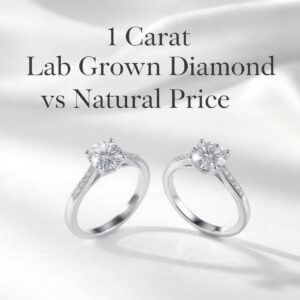
1 Carat Lab Grown Diamond vs Natural Price – Full Comparison
Diamonds have always been a timeless symbol of love. But today, buyers face a new decision: lab grown vs natural diamonds. The biggest factor? Price. In this guide, we’ll explore the 1 carat lab grown diamond vs natural price, quality, and which option suits you best.
💎 Learn more about diamonds in our Jewelry Education section.
1 Carat Lab Grown Diamond vs Natural Price
What Are Lab Grown Diamonds?
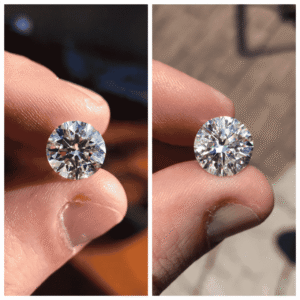
Lab grown diamonds, also called man-made or synthetic diamonds, are real diamonds created in laboratories using HPHT or CVD technology. They have the same brilliance, hardness, and beauty as natural diamonds.
What Are Natural Diamonds?
Natural diamonds are formed deep inside the earth over billions of years under pressure and heat. They are mined, cut, and polished before being sold.
Lab Grown Diamonds vs Natural Diamonds – Main Differences
| Factor |
Lab Grown Diamond |
Natural Diamond |
| Price |
40–70% cheaper |
More expensive |
| Origin |
Lab-created |
Earth-mined |
| Appearance |
Identical |
Identical |
| Resale Value |
Lower |
Higher |
| Ethics |
Eco-friendly |
May involve mining impact |
1 Carat Lab Grown Diamond vs Natural Price
-
1 Carat Natural Diamond Price: $4,000 – $7,000
-
1 Carat Lab Grown Diamond Price: $800 – $2,000

1 Carat Lab Grown Diamond vs Natural Price
That means lab grown diamonds vs natural diamonds show a price difference of up to 70% for the same size and quality.
Why Are Lab Grown Diamonds Cheaper?
-
No mining costs
-
Faster production
-
Higher availability
This makes lab-grown diamond cost vs natural much more affordable for buyers.
2 Carat Lab Grown Diamond vs Natural Price
-
2 Carat Natural Diamond Price: $15,000 – $30,000
-
2 Carat Lab Grown Diamond Price: $3,000 – $6,000
Clearly, 2 carat lab grown diamond price vs natural shows an even bigger gap.
1 Carat Lab Grown Diamond vs Natural Price
💎 Learn more about diamonds in our Jewelry Education section.
Natural vs Lab Grown Diamonds – Which to Choose?
Lab Grown vs Natural Diamond Price – The Resale Factor
One important point: Natural diamonds hold their value better than lab-grown diamonds. If resale or investment matters to you, natural may be better.
But if your goal is maximum sparkle and size for less money, lab-grown is unbeatable.
1 Carat Lab Grown Diamond vs Natural Price
Your choice – Lab Grown Diamonds vs Natural Diamonds
When comparing 1 carat lab grown diamond vs natural price, the difference is clear:
If you’re looking for luxury, ethics, and affordability, lab grown diamonds are the modern choice. But if you value rarity and tradition, natural diamonds still hold their charm.
Whether you pick lab grown vs natural diamonds, both will shine just as brilliantly on your finger.
💎 For more insights and updates about lab grown diamonds, visit our dedicated page on Lab Grown Diamonds.
You can also connect with us on Pinterest, LinkedIn, and Facebook to explore our latest jewelry designs and industry trends.
💎 Learn more about diamonds in our Jewelry Education section.
Yes, lab grown diamonds are real diamonds with the same chemical and physical properties as natural diamonds.
A 1 carat natural diamond costs around $4,000–$7,000, while a 1 carat lab grown diamond costs about $800–$2,000.
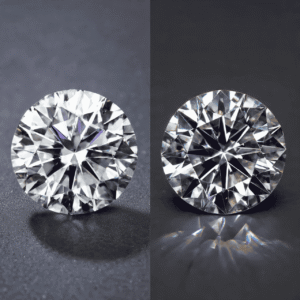
No, they look identical to the naked eye. Only advanced gemological equipment can detect the origin.
Yes, both have the same durability and hardness (10 on the Mohs scale), making them equally long-lasting.
Natural diamonds generally hold their value better, while lab grown diamonds are more affordable upfront.
Yes, lab grown diamonds avoid mining and are considered a more sustainable and ethical choice.
Yes, a 2 carat natural diamond may cost $15,000–$30,000, while a 2 carat lab grown diamond may cost only $3,000–$6,000.
If you want a bigger stone at a lower price, lab grown is ideal. If you value tradition and long-term value, natural is better.

by Admin | Sep 19, 2025 | Blog
**2025 Fashion Trends to Watch**
Keep an eye out for the following fashion trends emerging in 2025.: What’s Coming in Style & How to Wear Them
Introduction
2025 Fashion Trends to Watch are shaping the future of style with a mix of quiet luxury, Y2K revival, sustainable fashion, and bold accessories. This year promises new ways to express individuality while staying timeless and chic.
One of the biggest movements is quiet luxury. Instead of flashy logos, this trend focuses on timeless silhouettes, neutral tones, and high-quality craftsmanship. Minimalist jewelry, sleek watches, and refined tailoring are the essentials for achieving this look.
At the same time, the Y2K fashion revival is making waves. Think metallic fabrics, cargo pants, butterfly motifs, and playful accessories. Social media influencers are driving this trend, bringing back the early 2000s vibe with a modern twist.
Sustainable fashion is also more important than ever. Shoppers in 2025 are asking for transparency, recycled fabrics, and eco-friendly brands. This movement is not just a trend but a necessity, reshaping the global fashion industry.
When it comes to accessories, jewelry and watches play a central role in defining style. Minimalist gold pieces, futuristic silver rings, and luxury watches are must-haves in 2025 wardrobes. They allow you to elevate simple outfits and embrace trends without overspending.
Finally, gender-neutral clothing is breaking boundaries. Oversized fits, unisex tailoring, and inclusive fashion statements are making 2025 more versatile than ever.
With these trends in mind, 2025 is about mixing innovation with individuality. Whether you prefer timeless elegance or bold statements, this year offers endless ways to express your style.

https://haroongoldsmith.com/
If you’re someone who loves keeping your wardrobe updated, or if you simply enjoy exploring the latest global fashion trends, this guide is for you. Here we’ll cover the top 2025 fashion trends to watch, along with styling tips to make them your own.
1. Quiet Luxury & Minimalism
In 2025, quiet luxury fashion continues to dominate. Instead of bold logos and flashy designs, people are investing in subtle, timeless pieces. Think neutral tones, perfectly tailored coats, and high-quality fabrics.
Why it’s trending:
-
Consumers are shifting towards long-lasting, sustainable fashion.
-
Minimalist aesthetics feel elegant and effortless.
-
“Less is more” is becoming the new style mantra.
How to wear it:
-
Choose neutral shades like beige, cream, navy, and charcoal.
-
Invest in timeless staples: structured blazers, wool coats, and leather handbags.
-
Style with minimal jewelry to keep the look clean and polished.
🔑 Keywords to note: quiet luxury fashion 2025, minimalist clothing 2025, timeless wardrobe.
2. The Y2K Revival
Love it or hate it, Y2K fashion is making a strong comeback in 2025. Low-rise jeans, metallic fabrics, tiny handbags, and baby tees are all over fashion runways and street style looks.
Why it’s back:
How to style:
-
Balance the bold pieces with modern classics. For example, pair a low-rise jean with a tailored blazer.
-
Play with metallics—add a silver handbag or a pair of shiny boots for a futuristic vibe.
-
Keep accessories fun: butterfly clips, mini sunglasses, and colorful jewelry.
🔑 Keywords to note: Y2K fashion revival, early 2000s style 2025, metallic outfits trend.

2025 Fashion Trends to Watch
3. Sustainable Fashion & Eco-Friendly Choices
Fashion is becoming more conscious than ever. Sustainable fashion trends are no longer optional—they are essential.
What’s popular in 2025:
-
Recycled fabrics, organic cotton, and plant-based leather.
-
Transparency in supply chains.
-
Thrifting and upcycling are mainstream.
Why it matters:
Consumers are increasingly aware of the environmental cost of fast fashion. Brands that embrace eco-friendly practices are gaining global respect.
How to wear it:
-
Support brands with certifications for sustainability.
-
Try capsule wardrobes—fewer clothes, styled in multiple ways.
-
Mix vintage and thrifted items with new pieces.
🔑 Keywords to note: sustainable fashion trends, eco-friendly clothing 2025, ethical fashion brands.
4. Elevated Athleisure & Comfort First
Gone are the days when comfort meant looking sloppy. In 2025, elevated athleisure is everywhere—combining sporty essentials with chic, luxury details.
Why it’s trending:
How to style:
-
Invest in luxury loungewear sets.
-
Pair joggers with structured outerwear or a crisp shirt.
-
Add sneakers or slip-on loafers to complete the look.
🔑 Keywords to note: elevated athleisure, luxury loungewear 2025, comfort fashion trends.
5. Colors & Prints for 2025
Fashion in 2025 will be colorful yet balanced. Designers are embracing pastels, earthy tones, and bold prints.
Colors to watch:
-
Pastels: powder pink, pistachio green, sea-foam blue.
-
Earthy neutrals: sand, terracotta, olive.
-
Metallic tones: silver and gold accents.
Prints to watch:
-
Zebra print and animal-inspired patterns.
-
Asymmetric and geometric designs.
-
Floral patterns with futuristic twists.
How to wear it:
-
Start small: add a pastel bag or animal-print scarf.
-
Mix neutrals with one bold statement color.
-
Avoid overloading—balance is key.
🔑 Keywords to note: color trends 2025, fashion prints 2025, zebra print fashion.
6. Gender-Neutral & Inclusive Fashion
Fashion in 2025 is about inclusivity. More brands are introducing gender-neutral clothing and extending size ranges.
Why it matters:
How to wear it:
-
Experiment with oversized blazers, wide-leg trousers, and shirts.
-
Mix masculine and feminine elements—like a flowy dress with sneakers.
-
Don’t be afraid to shop outside your “section” in stores.
🔑 Keywords to note: gender-neutral fashion, inclusive fashion 2025, unisex clothing trends.
7. Smart Accessories & Jewelry
Even though this blog isn’t focused on jewelry, accessories remain key. In 2025, we’ll see:
-
Minimalist gold and silver jewelry.
-
Statement earrings with futuristic shapes.
-
Tech-inspired accessories like smart rings and wearables.
Pro tip: Jewelry can elevate even the simplest outfit, tying together trends like quiet luxury and elevated athleisure.
-
Pick 1–2 trends that suit your personality instead of following everything.
-
Invest in quality basics that can be paired with trendy pieces.
-
Use accessories to stay current without overspending.
-
Think long-term—choose styles that can transition across seasons.
Conclusion
The fashion scene in 2025 is all about versatility and expression. From quiet luxury to Y2K revival, from sustainability to gender-neutral fashion, this year gives you the freedom to experiment and embrace individuality. Whether you prefer timeless elegance or bold statements, there’s something in 2025’s trends for everyone.
Which trend are you most excited to try? Let us know in the comments!
A1: The top 2025 fashion trends include quiet luxury, Y2K revival, sustainable fashion, elevated athleisure, gender-neutral clothing, and bold color patterns.
A2: Pastels like powder pink and sea-foam blue, earthy tones such as olive and terracotta, and metallics like silver and gold are trending in 2025.
A3: Yes, quiet luxury remains strong in 2025, focusing on minimalism, timeless silhouettes, and high-quality fabrics rather than flashy logos.
A4: Y2K fashion refers to early 2000s styles like low-rise jeans, metallic fabrics, and baby tees. It’s trending again because of nostalgia and social media influence.
A5: Extremely important. Consumers now demand eco-friendly fabrics, ethical production, and transparency, making sustainable fashion a key global trend in 2025.
A6: Minimalist jewelry, bold statement earrings, futuristic rings, and luxury watches are in demand as they complement both minimalist and Y2K-inspired outfits.
A7: Yes, gender-neutral and inclusive fashion is expanding with unisex cuts, oversized fits, and flexible designs appealing to a wider audience.
A8: Focus on 1–2 trends that suit you, invest in versatile basics, and use accessories like jewelry or handbags to stay stylish without overspending.


